
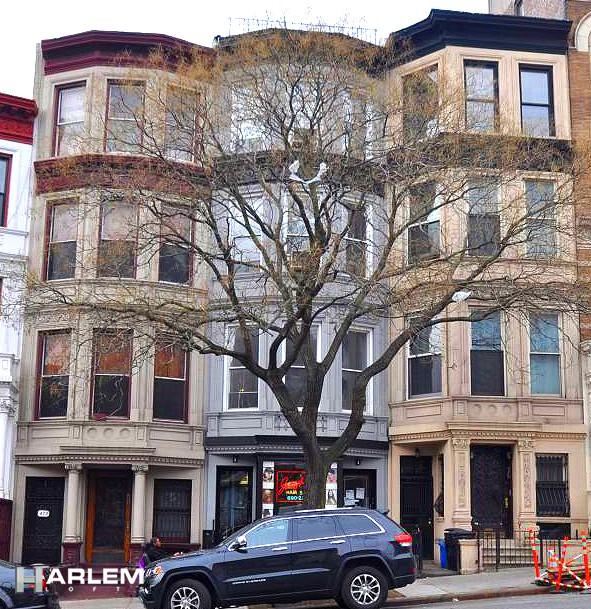
The moment arrives quietly for most first-time buyers. A listing appears that feels perfect. Sunlight pours through tall windows. Original details hint at history. The layout feels personal, lived in, and meaningful. Suddenly, decisions move faster than expected. Numbers begin stacking up. Repairs, timelines, financing terms, inspections, and unfamiliar rules start competing for attention.
This is where many buyers unknowingly step into risk. The emotional pull of a beautiful home often arrives before clarity about ownership responsibilities, building condition, or long-term costs. Townhouses, especially in historic neighborhoods, are not simply homes. They are lived in architecture with stories, aging systems, and obligations that rarely appear in listing photos.
This guide offers a calmer path forward. If you want to Buy A Townhouse Without Making Costly First Time Mistakes, the goal is not perfection but preparation. By learning how to recognize hidden risks early, ask better questions, and move with informed confidence, buyers can avoid expensive surprises while still finding a home that genuinely fits their lives.
Start With The Right Definition of A Townhouse
Before touring seriously, buyers need clarity on what they are actually purchasing. The word townhouse sounds straightforward, yet ownership structures vary widely, and misunderstandings often lead to costly confusion later.
Townhouse vs Condo vs Co op Explained Simply.
A true townhouse typically means ownership of both the building and the land beneath it. Unlike condominiums or co-ops, where ownership is shared within a larger building structure, townhouse ownership places responsibility directly on the buyer. You control renovations, maintenance decisions, and long-term improvements, but you also carry the full responsibility for repairs and upkeep.
However, many listings labeled as townhouses may still include shared components such as party walls, common driveways, shared roofs, or homeowner associations. These details affect insurance coverage, maintenance obligations, and approval processes. Buyers who intend to Buy A Townhouse Without Making Costly First Time Mistakes must confirm exactly what is owned privately versus shared collectively.
The Emotional Trap First-Time Buyers Face
Buyers frequently fall in love with ceiling height, layout flow, or historic charm before reviewing structural fundamentals. A graceful facade or renovated kitchen can conceal aging wiring, roofing concerns, drainage issues, or outdated heating systems. Beauty should begin the conversation, not end it. Condition and documentation ultimately determine whether a property becomes a lasting home or an ongoing financial burden.
Get Financially Clear Before Touring Too Seriously
Financial clarity creates leverage. Without it, even strong buyers risk disappointment or rushed decisions.
Pre-Approval Builds Real Negotiating Power
Prequalification provides an estimate, while preapproval confirms verified financial readiness. Sellers view pre-approved buyers as reliable because the financing risk appears lower. Lenders also evaluate townhouses differently than apartments, paying close attention to condition, occupancy status, and appraisal stability.
Buyers planning to Buy A Townhouse Without Making Costly First Time Mistakes benefit from understanding interest rate timing and loan structure early. Calm preparation removes pressure during negotiations.
The True Monthly Cost Beyond Mortgage Payments
Mortgage and property taxes represent only part of ownership. Insurance, utilities, seasonal heating fluctuations, exterior maintenance, and reserve savings significantly influence affordability. Older townhouses often experience wider monthly cost variation due to aging systems or weather exposure.
Experienced buyers develop what professionals often call a comfort number. This is the payment level that remains sustainable even if maintenance or utilities rise unexpectedly.
Closing Costs That Surprise First Timers
Many buyers underestimate upfront expenses. Attorney fees, inspections, appraisal costs, title searches, lender fees, recording charges, and insurance deposits accumulate quickly. Earnest money and down payments also follow strict timelines. Setting aside post closing funds for immediate repairs ensures stability during the transition into ownership.
Price Is Not Value: Learn To Read The Market Correctly
Online browsing encourages comparison based on aesthetics rather than fundamentals. Real value comes from context.
Understanding Comparable Sales
Comparable sales, often called comps, anchor pricing reality. True comparisons consider block location, building condition, outdoor space, renovation quality, and layout efficiency. A newly renovated kitchen may elevate appearance while underlying systems remain untouched.
Buyers who want to Buy A Townhouse Without Making Costly First Time Mistakes learn to evaluate homes through recent verified sales rather than emotional reactions to staging.
Reading Between Listing Lines
Photographs tell partial stories. Wide angles may disguise room proportions. Missing basement photos can signal unresolved moisture issues. Vague descriptions like recently refreshed sometimes indicate cosmetic updates covering deferred maintenance.
Days on market and price reductions provide useful signals but require interpretation within neighborhood demand patterns.
When a Great Deal Signals Deferred Maintenance
Townhouses commonly face predictable challenges, including aging roofs, facade repairs, water intrusion, outdated electrical panels, or plumbing replacements. Discounts occasionally reflect future repair obligations rather than opportunity. Deferred maintenance rarely disappears. It simply transfers to the next owner.
Due Diligence That Protects Buyers From Regret
Inspection and documentation form the backbone of a secure purchase.
Building the Right Inspection Strategy
A general home inspection evaluates visible systems but cannot uncover everything. Depending on findings, specialists may be necessary. Structural engineers assess movement concerns. Sewer scopes evaluate underground lines. Chimney, roofing, HVAC, or pest experts provide deeper insight when warning signs appear.
Buyers attempting to Buy A Townhouse Without Making Costly First Time Mistakes prioritize inspections focused on expensive and disruptive systems rather than cosmetic imperfections.
Townhouse Specific Inspection Focus
Exterior envelopes deserve careful attention. Roofing condition, flashing, gutters, masonry integrity, facade cracks, and stoop stability influence long-term durability. Basement moisture indicators, drainage slope, sump pumps, and flooding history reveal water risk.
Mechanical systems require equal scrutiny. Boiler age, electrical capacity, panel condition, and hot water systems determine future investment needs. Inside the home, uneven flooring, sticking doors, patched ceilings, or concentrated repainting areas may signal underlying structural or moisture issues.
Paper Trail Matters
Permits function as public proof that renovations were completed legally and inspected appropriately. A clear renovation history reduces uncertainty about workmanship quality. Title searches confirm ownership clarity and reveal liens or unresolved claims. Title insurance protects buyers from historical ownership disputes that may otherwise emerge years later.
Renovations Can Be Dreamy Or Financially Risky
Renovation fantasies often overlook complexity.
Cosmetic vs Structural vs Systems Work
Painting and finishes represent cosmetic updates. Structural changes involve framing or load-bearing elements. Systems work includes plumbing, electrical, roofing, or heating upgrades. While less visible, system improvements typically carry greater financial impact.
Opening walls frequently reveals additional work. Timelines stretch. Budgets expand. Buyers hoping to Buy A Townhouse Without Making Costly First Time Mistakes plan contingency reserves rather than relying on optimistic estimates.
Estimating Renovation Scope Realistically
Walk through properties with layered thinking. Identify what must be completed immediately for safety or functionality, what can wait, and what remains optional. Contractors can provide early ballpark feedback, but on-site evaluation delivers more reliable expectations.
Material availability and permit timelines also influence move-in schedules. Renovation planning works best when aligned with realistic living timelines.
Rules and Approval Considerations
Certain neighborhoods maintain landmark protections or zoning limitations that restrict exterior alterations. Approval processes vary widely. Buyers should confirm renovation feasibility before purchasing based on plans rather than assumptions.
Make An Offer With Calm Confidence
Competitive markets often trigger fear of missing out. Strong decisions come from preparation instead.
Offer Terms Beyond Price
Inspection, financing, and appraisal contingencies exist to protect buyers. Shortened timelines may appear attractive, but increase risk exposure. Earnest money deposits should reflect commitment without placing buyers in financial strain.
Those who successfully Buy A Townhouse Without Making Costly First Time Mistakes understand that thoughtful structure matters as much as the offer price.
Negotiating After Inspection
Inspection findings guide negotiation strategy. Requests should focus on major systems supported by documentation rather than cosmetic preferences. For example, evidence of water intrusion or a roof nearing replacement age justifies credit discussions or pricing adjustments.
Appraisal and Lending Expectations
Lenders confirm both market value and property condition. Appraisal gaps occasionally occur when contract prices exceed valuation. Solutions may involve renegotiation, additional buyer funds, or reconsideration requests. These moments represent normal process steps rather than failed transactions.
Choose The Right Team For Guidance
Buying a townhouse should never feel solitary.
The Professionals Who Protect Buyers
Real estate agents provide market interpretation and negotiation strategy. Attorneys manage contract review and closing coordination where required. Inspectors offer independent condition analysis. Lenders ensure financial clarity and timeline management.
Buyers seeking to Buy A Townhouse Without Making Costly First Time Mistakes benefit most from professionals experienced specifically with townhouse transactions rather than general residential sales.
How to Evaluate Your Team
Strong advisors explain risks clearly without pressure. They welcome inspection discussions, analyze comparable sales thoughtfully, and address renovation questions realistically. Warning signs include rushed timelines, vague reassurance, or dismissal of legitimate concerns.
An Upper Manhattan Perspective
Neighborhood conditions in Upper Manhattan can change block by block. Building age, renovation history, and buyer demand vary quickly. Harlem Lofts Inc. approaches purchases through research-driven analysis, combining market data with on-the-ground understanding. Context, not impulse, leads to confident decision-making.
The Most Common Costly First-Time Mistakes
Even prepared buyers encounter predictable pitfalls.
Buying for Aesthetics Before Fundamentals
Charm matters, but structure matters more. Successful buyers follow a clear order: condition, documentation, pricing reality, then lifestyle compatibility.
Underestimating Ongoing Maintenance
Townhouses operate like small buildings requiring consistent care. Seasonal gutter cleaning, boiler servicing, and exterior inspections prevent escalation of minor issues into major repairs. Planning a first-year maintenance approach builds financial stability.
Skipping Specialists When Warning Signs Appear
Recurring dampness, structural cracks, or extensive prior renovations justify expert evaluation. Early knowledge costs far less than late discovery.
Overextending Financially to Win
Winning a bidding situation should never compromise long-term comfort. The strongest purchase remains the one that owners can sustain confidently through market shifts or unexpected repairs.
Buyers who aim to Buy A Townhouse Without Making Costly First Time Mistakes prioritize sustainability over urgency.
Conclusion
Buying well is not about avoiding every imperfection. It is about understanding what you are purchasing and preparing for ownership responsibly. When buyers define property type clearly, confirm true ownership costs, complete thoughtful due diligence, evaluate renovation realities, and assemble the right professional team, confidence replaces uncertainty.
To Buy A Townhouse Without Making Costly First Time Mistakes means approaching the process with patience, research, and perspective. The right home should support your life, not complicate it.
Work With Harlem Lofts Inc.
Harlem Lofts Inc. offers a research-forward and measured approach for buyers exploring townhouses and brownstones throughout Upper Manhattan. With deep neighborhood knowledge and carefully tailored guidance, the team helps buyers clarify realistic budgets, evaluate property conditions, and move forward with confidence.
If you are considering your first townhouse purchase, scheduling a consultation can provide a buyer-ready roadmap aligned with your goals, preferred neighborhoods, and long-term plans. Clear information leads to clear choices, exactly what first-time buyers need when making one of life’s most meaningful investments.
FAQs
What is the biggest surprise cost when buying a townhouse?
Unexpected system repairs, such as roofing, plumbing, or drainage upgrades, often create the largest financial surprises.
How many inspections should an older townhouse have?
A general inspection is essential, with specialists added when structural, water, or mechanical concerns appear.
Do I need an attorney to buy a townhouse in the USA?
In many markets, including New York, attorneys play a critical role in contract review and closing protection.
How can I confirm renovations were completed properly?
Review permits, contractor records, and inspection approvals tied to completed work.
What should I budget for maintenance after closing?
Owners should maintain reserve funds for seasonal upkeep and long-term system replacement planning.
Recent Comments