
Research-Driven Market Intelligence In Harlem and Manhattan
At Harlem Lofts, market intelligence is at the center of everything we do. Real estate markets are constantly evolving, especially in Manhattan, where pricing trends, buyer demand, inventory levels, financing conditions, and neighborhood development can shift rapidly. Understanding these changes requires more than simply tracking listings or reviewing headline statistics. Effective market intelligence depends on detailed research, local expertise, and the ability to interpret how broader economic conditions influence individual neighborhoods and property types.
Since 2002, Harlem Lofts has focused extensively on the Harlem and Upper Manhattan real estate market, developing a research-oriented approach designed to help property owners, buyers, investors, and sellers make informed decisions. The firm carefully monitors townhouse, condominium, cooperative, mixed-use, and investment property activity throughout Upper Manhattan while providing regular analysis of changing market trends. Harlem Lofts publishes market reports, neighborhood insights, and real estate analysis to help clients better understand the dynamics influencing Manhattan real estate.
Market intelligence is particularly important in Upper Manhattan because the area contains highly distinct micro-markets. Harlem, Hamilton Heights, Washington Heights, Sugar Hill, Manhattanville, Morningside Heights, and Inwood each attract different buyer demographics and investment activity. Pricing patterns, inventory levels, and buyer demand can vary significantly between neighborhoods, even within relatively short geographic distances. Accurate market analysis, therefore, requires a localized understanding of both current conditions and long-term neighborhood trends.
Understanding The Harlem And Upper Manhattan Market
Upper Manhattan continues to attract attention from buyers, investors, and developers because of its historic architecture, transportation access, cultural significance, and long-term appreciation potential. Harlem Lofts closely tracks how these factors influence pricing and transaction activity throughout the area.
The Manhattan market is shaped by a wide range of economic conditions, including mortgage rates, inflation, employment trends, inventory supply, construction activity, and broader financial market performance. These factors influence how buyers approach purchasing decisions and how sellers position properties within the market.
Harlem Lofts carefully monitors sales volume, price-per-square-foot trends, inventory fluctuations, listing discounts, contract activity, and days on market throughout Harlem and Upper Manhattan. By studying these indicators consistently, the firm is able to identify patterns and emerging trends that may influence future market movement.
The Upper Manhattan market often behaves differently from Downtown Manhattan or Brooklyn. Certain neighborhoods may experience stronger townhouse demand while condominium activity slows, or vice versa. Some sectors of the market may become highly competitive during periods of limited inventory, while others may see increased buyer negotiation leverage. Understanding these differences allows Harlem Lofts to provide market intelligence that is specific to the property type and neighborhood being analyzed.
Townhouse Market Intelligence And Analysis
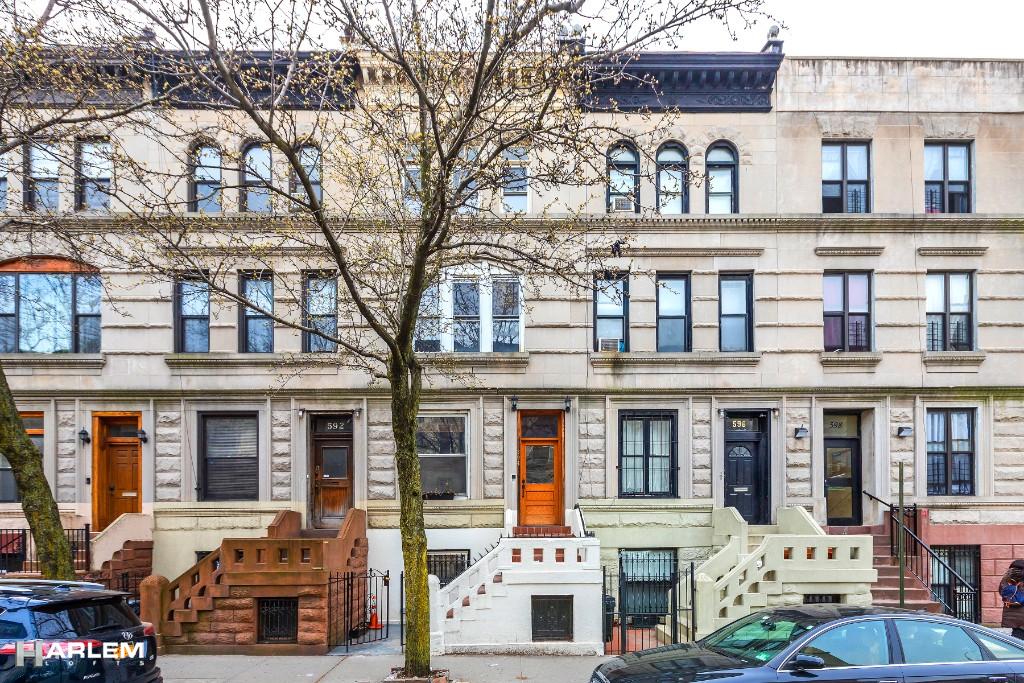
Townhouses remain one of the most distinctive and closely followed property types in Harlem and Upper Manhattan. Unlike more standardized condominium inventory, every townhouse is unique in terms of layout, legal use, renovation quality, building systems, rental configuration, and architectural detail.
Harlem Lofts has extensive experience tracking townhouse activity throughout Harlem, Hamilton Heights, Sugar Hill, Washington Heights, and surrounding neighborhoods. The firm’s research includes transaction volume, pricing trends, inventory movement, and buyer demand within different townhouse classifications and price ranges.
Townhouse buyers may include investors, developers, or end-users seeking single-family residences with historic character and long-term value potential. Factors such as zoning, certificate of occupancy classifications, rental income opportunities, and development possibilities often influence how buyers evaluate these properties.
The townhouse market is also highly sensitive to broader economic conditions, particularly interest rates and financing availability. Harlem Lofts regularly analyzes how these variables affect buyer behavior and transaction volume throughout Upper Manhattan. Recent market reports from the firm have highlighted how interest rate fluctuations impacted townhouse pricing and sales activity while also identifying signs of market recovery and renewed buyer confidence.

Condominium And Cooperative Market Trends
Condominium and cooperative apartments represent another major component of the Harlem and Upper Manhattan real estate market. Buyer demand within this segment is often influenced by affordability, monthly carrying costs, amenities, building age, and financing conditions.
Harlem Lofts tracks condominium inventory levels, average sale prices, pricing trends by building class, and transaction activity throughout Upper Manhattan. The firm’s market analysis also examines how buyers respond to changes in mortgage rates, inventory supply, and broader Manhattan market conditions.
Condominium buyers in Harlem and Upper Manhattan include both owner-occupants and investors seeking long-term appreciation and rental income potential. Boutique condominiums, prewar conversions, and elevator buildings each attract different buyer segments depending on pricing, amenities, and neighborhood location.
The cooperative market presents additional considerations because buyers often evaluate board requirements, financial stability, reserve funds, and building management when making purchasing decisions. Market intelligence within this segment, therefore,e extends beyond pricing trends and includes understanding how buyer preferences are evolving.
Harlem Lofts regularly studies how these factors influence buyer demand and market velocity throughout Upper Manhattan’s condominium and cooperative sectors.
The Importance of Data-Driven Market Research
At Harlem Lofts, research is viewed as a critical foundation for effective real estate strategy. Rather than relying solely on broad citywide reports or generalized market assumptions, the firm focuses on gathering highly localized data specific to Harlem and Upper Manhattan.
This research-driven approach helps buyers and sellers understand not only where the market currently stands, but also where it may be heading in the future. Tracking transaction volume, price trends, inventory supply, listing activity, and buyer demand allows Harlem Lofts to identify changes in market momentum before they become widely recognized.
The firm produces regular market reports covering townhouse and condominium sales activity throughout Upper Manhattan. These reports include detailed analysis of inventory trends, average pricing, price-per-square-foot movement, listing discounts, days on market, and neighborhood performance.
Market research also allows the firm to adapt quickly to changing conditions. During periods of increased competition or economic uncertainty, buyers and sellers often behave differently, requiring more strategic pricing, negotiation, and marketing approaches. By actively studying market behavior, Harlem Lofts helps clients navigate these transitions with greater confidence & clarity.
Market Intelligence For Sellers
For property owners considering a sale, market intelligence plays a central role in pricing strategy, timing decisions, and property positioning. Sellers benefit from understanding how current inventory levels, buyer demand, and neighborhood trends influence market performance.
Harlem Lofts works closely with sellers to provide detailed comparable market analyses and valuation guidance tailored to individual properties. The firm carefully reviews comparable sales, active listings, pending contracts, and neighborhood trends to determine how a property should be positioned within the market.
Market intelligence also influences how properties are marketed. Understanding which buyer segments are currently most active allows Harlem Lofts to tailor marketing campaigns more effectively while maximizing exposure to qualified buyers.
Because Upper Manhattan contains highly localized micro-markets, accurate analysis is essential when evaluating pricing opportunities and competitive positioning. Seller representation supported by strong market intelligence can help reduce unnecessary time on the market while improving negotiation leverage during the sales process.
Market Intelligence For Buyers And Investors
Buyers and investors also benefit significantly from detailed market research and neighborhood analysis. Purchasing property in Manhattan involves substantial financial considerations, and understanding market conditions can help buyers make more informed long-term decisions.
Harlem Lofts provides buyers with ongoing market updates, property analysis, and neighborhood insights to help identify opportunities throughout Harlem and Upper Manhattan. The firm’s buyer database and research-driven approach help connect qualified buyers with properties that align with both lifestyle and investment objectives.
For investors, market intelligence extends beyond residential pricing trends. Rental demand, redevelopment activity, zoning considerations, and neighborhood growth patterns all influence investment potential within Upper Manhattan. Harlem Lofts carefully tracks these variables while helping investors evaluate both current market conditions and long-term appreciation opportunities.
The firm’s ongoing analysis of inventory movement, transaction activity, and pricing trends helps buyers understand how different sectors of the market are performing and where future opportunities may exist.
Quarterly Reports And Ongoing Market Updates
Harlem Lofts regularly publishes market reports and analysis focused specifically on Harlem and Upper Manhattan real estate. These reports provide detailed insight into townhouse sales, condominium activity, pricing trends, inventory fluctuations, and overall market performance.
The firm has supplied Upper Manhattan market reports to homeowners, buyers, attorneys, investors, and real estate professionals for many years. These reports are designed to provide practical insight into changing market conditions while helping readers better understand the factors influencing real estate performance throughout the area.
In addition to written reports, Harlem Lofts also provides weekly market analysis through digital platforms and social media channels. This ongoing communication allows clients and followers to stay informed about market developments, neighborhood activity, and broader Manhattan real estate trends.
Because the Manhattan market changes constantly, consistent monitoring and analysis are essential for making informed real estate decisions. Harlem Lofts emphasizes transparency, research, and detailed reporting as part of its commitment to providing meaningful market intelligence to the Upper Manhattan community.
Local Expertise Backed By Long-Term Market Experience
Harlem Lofts has maintained a strong presence within Harlem and Upper Manhattan since 2002, building extensive knowledge of the neighborhoods, property types, and market dynamics that define the area. The firm’s business philosophy emphasizes research as the foundation of its sales and advisory approach.
This localized expertise allows Harlem Lofts to identify trends that may not be immediately visible in broader Manhattan market reports. Because the firm focuses specifically on Upper Manhattan, it is able to provide clients with more nuanced and relevant analysis tailored to their property type and neighborhood.
Whether evaluating townhouse inventory, condominium pricing, buyer demand, or investment opportunities, Harlem Lofts combines detailed research with long-term market experience to help clients navigate the complexities of Manhattan real estate.
For buyers, sellers, investors, and property owners seeking a deeper understanding of the Harlem and Upper Manhattan market, accurate market intelligence remains one of the most valuable tools available for making informed real estate decisions.
Frequently Asked Questions
Why is market intelligence important in Manhattan real estate?
Market intelligence helps buyers, sellers, and investors understand how changing economic conditions and neighborhood trends influence property values and demand. In Manhattan, pricing and buyer behavior can shift quickly based on inventory levels, financing conditions, and broader economic activity. Accurate market analysis allows clients to make more informed decisions about pricing, timing, and investment opportunities. Localized research is especially important in Harlem and Upper Manhattan because each neighborhood behaves differently within the broader market.
What types of market data does Harlem Lofts analyze?
Harlem Lofts tracks a wide range of market indicators throughout Harlem and Upper Manhattan. This includes inventory levels, sales volume, average prices, price-per-square-foot trends, days on market, listing discounts, and buyer demand across different property types. The firm also analyzes townhouse activity, condominium performance, financing trends, and neighborhood development patterns. This research helps provide clients with a more complete understanding of current market conditions.
How often does Harlem Lofts publish market reports?
Harlem Lofts regularly publishes market reports and updates focused on Upper Manhattan real estate activity. These reports typically include detailed analysis of townhouse and condominium sales, pricing movement, inventory trends, and broader market conditions. In addition to written reports, the firm also provides ongoing market commentary through digital platforms and social media updates. This consistent reporting helps clients stay informed about changes within the Harlem and Upper Manhattan market.
How does market intelligence help sellers prepare their property for sale?
Market intelligence allows sellers to understand current buyer demand, pricing conditions, and neighborhood competition before entering the market. By analyzing comparable sales, inventory supply, and market momentum, sellers can develop more effective pricing and marketing strategies. Understanding buyer behavior also helps sellers determine the best timing and presentation approach for their property. Accurate research can improve market positioning while supporting stronger negotiation leverage during the transaction process.
Why does Upper Manhattan require neighborhood-specific analysis?
Upper Manhattan contains multiple micro-markets with different pricing patterns, buyer demographics, and investment trends. Neighborhoods such as Harlem, Hamilton Heights, Washington Heights, and Inwood often perform differently depending on inventory, development activity, and buyer demand. General Manhattan reports may not fully reflect the conditions affecting these local markets. Neighborhood-specific analysis, therefore, provides a more accurate understanding of property value and market opportunities throughout Upper Manhattan.