
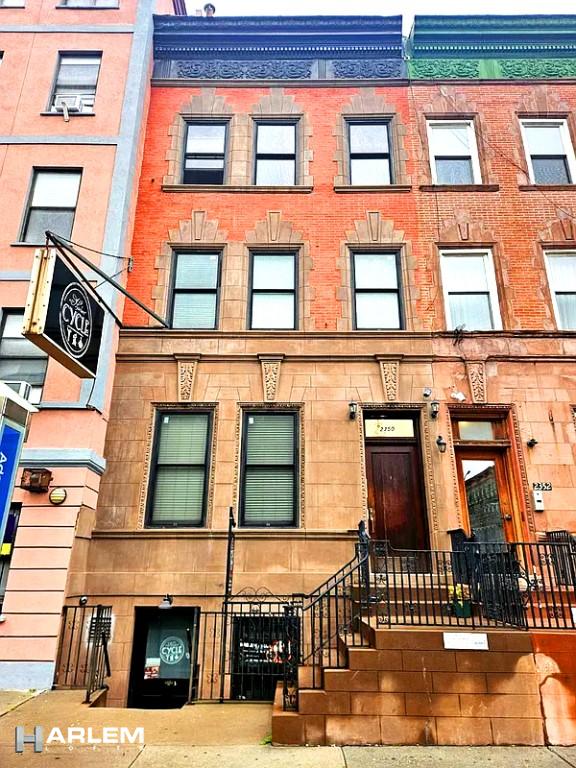
Why Upper Manhattan Townhouses Stand Out in Today's Market
Upper Manhattan has quietly become one of New York City’s most compelling markets for townhouse ownership. From the limestone rows of Sugar Hill to the brownstone blocks of Central Harlem, buyers searching for Upper Manhattan townhouses for sale are discovering a rare combination: pre-war architectural character, generous square footage, and price points that remain far more attainable than comparable properties downtown or on the Upper East and West Sides. At Harlem Lofts, we’ve spent years helping buyers navigate this market, and this section walks through what makes these neighborhoods special.
The appeal of a Manhattan townhouse has always been about ownership on your own terms, no shared walls with dozens of neighbors, no co-op board approval process, and often a private outdoor space that condo living simply can’t replicate. What sets Upper Manhattan apart is that this experience remains achievable at a price point that hasn’t been priced out of reach.
Neighborhoods like Hamilton Heights, Sugar Hill, and Washington Heights were largely built out between the 1880s and 1920s, during a period when developers were competing to build the most architecturally ambitious rowhouses in the city. The result is a housing stock full of detail: carved stone facades, original parquet floors, pocket doors, and pressed tin ceilings that would cost a fortune to replicate today. Many of these townhouses sit on blocks designated as historic districts, which protect the character of the street while also signaling long-term value stability to buyers.
There’s also a practical dimension. A typical Upper Manhattan townhouse offers three to five stories of living space, frequently configured with an owner’s duplex and one or two rental units, giving buyers the option to offset their mortgage with rental income, a structure that’s much harder to find further downtown. For investors and end-users alike, this flexibility has made the category increasingly popular.
Comparing the Core Neighborhoods
Not all pockets of Upper Manhattan are the same, and understanding the distinctions matters when narrowing a search.
Central Harlem offers the widest inventory and price range, from modest single-family rowhouses to grand multi-unit brownstones near Mount Morris Park (now Marcus Garvey Park). The neighborhood’s commercial corridors along 125th Street and Lenox Avenue have seen significant investment over the past decade, and proximity to the 2/3 and A/B/C/D lines makes it one of the more transit-connected pockets in the area.
Sugar Hill and Hamilton Heights sit slightly north and are known for some of the most architecturally significant rowhouses in Manhattan, many designed by prominent turn-of-the-century architects. This is a historic district with strict preservation guidelines, which protect curb appeal but also mean renovation projects require more careful planning around landmark approval.
Washington Heights offers the best relative value per square foot in Upper Manhattan right now, along with proximity to Fort Tryon Park and the Cloisters. Housing stock here skews slightly later, more early-to-mid 20th century, with a mix of townhouses and pre-war apartment buildings.
Each of these submarkets has its own pricing dynamics, so working with an agent who tracks inventory across all three closely is important for buyers trying to time an offer correctly or compare cross-neighborhood value.
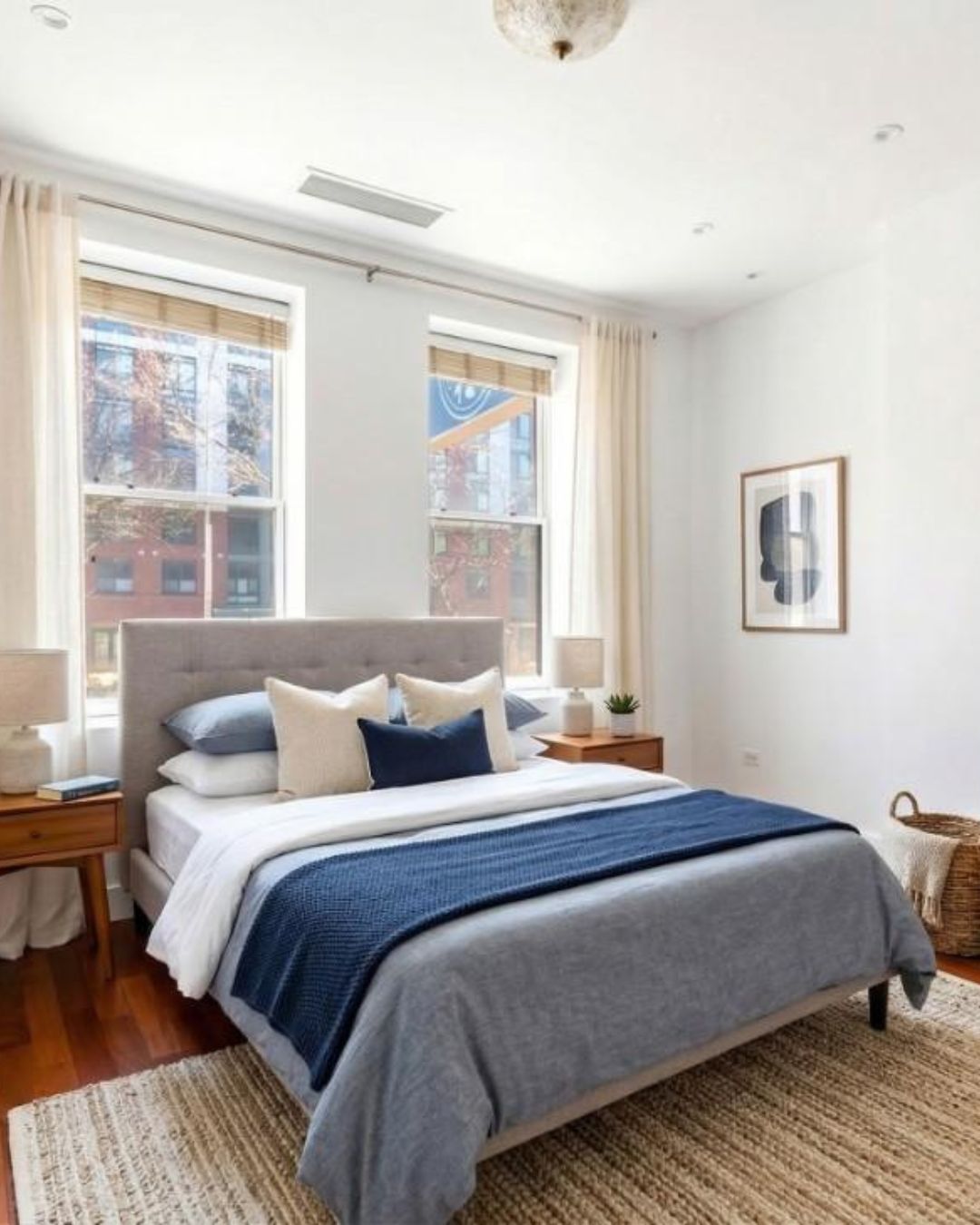
What to Expect Financially and Structurally
Townhouse ownership comes with a different financial profile than a condo or co-op, and it’s worth understanding before you start touring properties.
Down payments and financing: Multi-family townhouses (typically legally classified as 2-4 family) are financed differently than single-family homes, and lenders will often want to see documented rental income history or projected rent rolls if the building has existing tenants. Buyers should get pre-qualified with a lender experienced in multi-family Manhattan properties specifically, since the underwriting differs from a standard single-family mortgage.
Renovation reality: Because so much of the housing stock in Harlem, Sugar Hill, and Washington Heights predates modern building codes, buyers should budget for updates to electrical, plumbing, and mechanical systems even in townhouses that look move-in ready. A pre-purchase inspection with a contractor experienced in pre-war Manhattan buildings, not just a general home inspector, will surface issues that could otherwise become expensive surprises.
Carrying costs: Property taxes on Upper Manhattan townhouses tend to be more favorable than condo equivalents because of how NYC assesses smaller multi-family buildings, though this varies by block and building class. If the property has existing tenants, buyers also need to factor in NYC’s rent stabilization rules, which can affect both cash flow and any renovation timeline if you plan to convert rental units.
Working through these numbers with both a real estate attorney and an agent who understands the multi-family townhouse structure specifically will save considerable time and stress during due diligence.
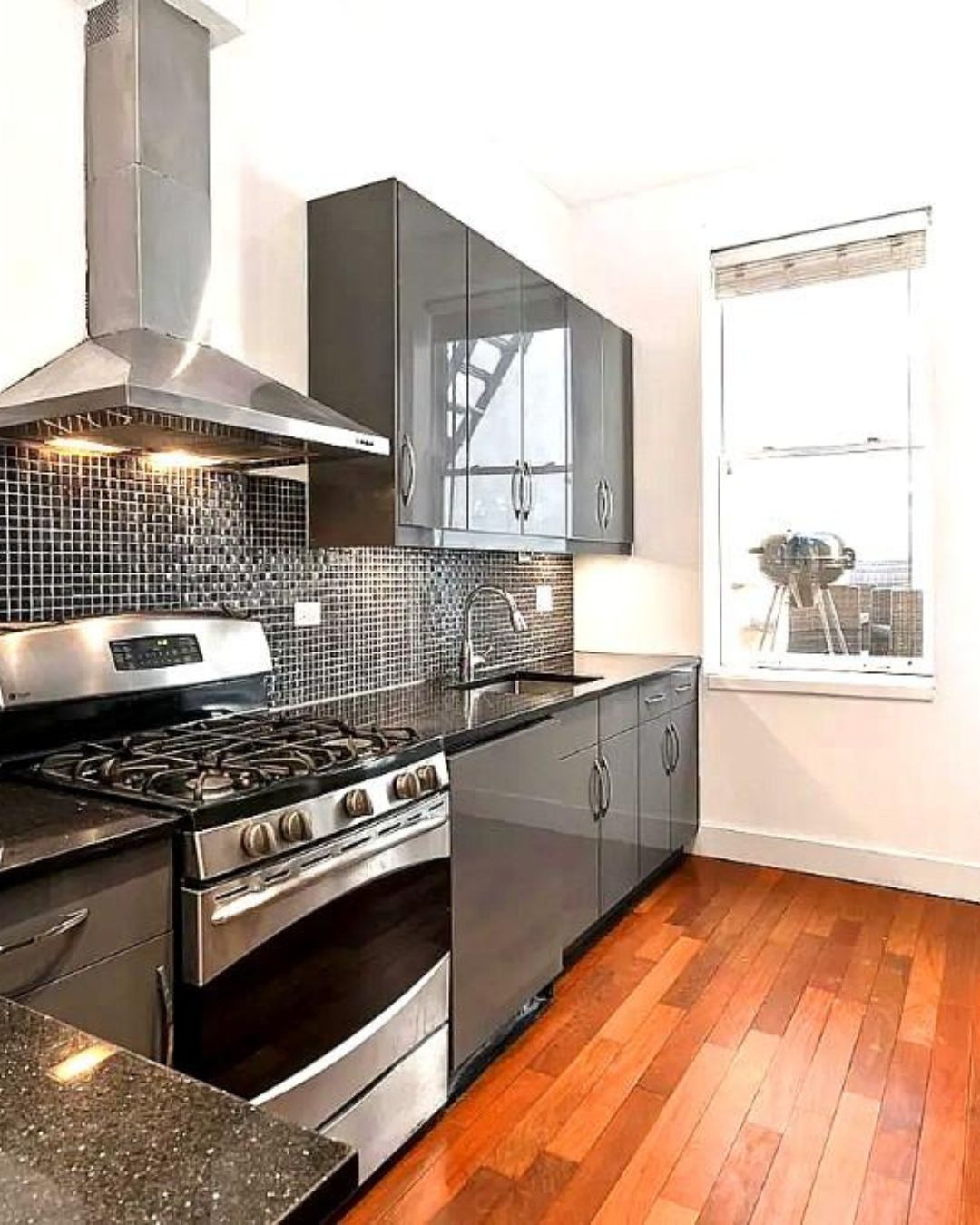
The Buying Process, Step By Step
Purchasing a townhouse in Upper Manhattan follows a process that’s broadly similar to any Manhattan real estate transaction, with a few added layers specific to multi-family and landmarked properties.
- Financing pre-approval: Start here, especially if the property has rental units. Your lender will need income documentation before you can make a competitive offer.
- Property search and touring: This is where local expertise matters most. Off-market and pocket listings are common in this segment, and an agent with deep neighborhood relationships often has access to opportunities before they hit public search portals.
- Offer and negotiation: Townhouse negotiations frequently involve more moving parts than a condo purchase, existing tenancies, landmark status, and any outstanding violations, all of which factor into how an offer is structured.
- Due diligence and inspection: Beyond a standard inspection, buyers should pull the building’s DOB and HPD violation history, confirm certificate of occupancy status, and, if landmarked, review any open landmarks applications.
- Attorney review and contract: As with all NY real estate, attorneys handle contract negotiation on both sides; there’s no formal “attorney review period” as in some other states, so timing matters.
- Closing: Multi-family closings can take slightly longer than condo closings due to the additional documentation lenders require, so buyers should build in some flexibility to their timeline.
Throughout this process, having a team, agent, attorney, lender, and inspector who has specifically worked on Upper Manhattan townhouse transactions before is one of the biggest advantages a buyer can have, given how different this asset class is from condos and co-ops.
Work With a Team That Knows Upper Manhattan Townhouses
Finding the right Upper Manhattan townhouses for sale requires more than scrolling listing portals; it takes an agent who tracks inventory across Harlem, Sugar Hill, Hamilton Heights, and Washington Heights in real time, including properties that never make it to public search. At Harlem Lofts, this is the market we’ve built our business around, and we bring that focus to every stage of a buyer’s search.
If you’re actively looking, browse our current Sales listings to see available inventory across Upper Manhattan townhouses, condos, and co-ops. If you’re weighing whether to buy, sell, or hold, our Market Intelligence resources offer data-driven insight into pricing trends and neighborhood performance across the corridor.
For owners considering a sale rather than a purchase, our Seller Representation team can walk you through positioning a multi-family townhouse for the current market, including how to handle existing tenancies during a sale process. And if a townhouse purchase includes a plan to rent out one or more units, our Rentals division can help structure and manage that side of the investment.
Whatever stage you’re at, the best next step is a conversation. Contact us to talk through your search, your budget, and which Upper Manhattan neighborhoods are the right fit. Our team is here to help you move forward with clarity.
Frequently Asked Questions
What is the average price range for Upper Manhattan townhouses for sale?
Pricing varies significantly by neighborhood, condition, and unit configuration, but Upper Manhattan townhouses generally offer more square footage per dollar than comparable properties in Downtown or Midtown Manhattan. Central Harlem and Washington Heights tend to offer the widest range of entry points, while Sugar Hill and Hamilton Heights command a premium for architectural significance and historic district status.
Are Upper Manhattan townhouses typically multi-family or single-family homes?
Most townhouses in this market are legally classified as 2-4 family properties, meaning they can include an owner’s unit plus one to three rental units. This structure gives buyers the option to live in part of the building while generating rental income from the rest, though fully single-family conversions are also available in the market.
Do I need a special type of mortgage to buy a multi-family townhouse?
Yes, in most cases. Multi-family properties are underwritten differently than single-family homes, and lenders will typically want documentation of existing or projected rental income. It’s worth getting pre-qualified with a lender who has specific experience financing multi-family Manhattan townhouses before you start touring properties seriously.
What should I budget for renovations when buying an older townhouse?
Because much of Upper Manhattan’s townhouse stock dates to the late 19th and early 20th centuries, buyers should plan for updates to electrical, plumbing, and mechanical systems even in homes that appear well-maintained. A pre-war-experienced contractor or inspector can help identify likely costs before you finalize an offer, and buyers in landmarked districts should also budget time for any exterior work requiring landmark approval.
How long does it typically take to close on a townhouse in Upper Manhattan?
Multi-family townhouse closings often take somewhat longer than condo closings due to additional lender documentation requirements and, in some cases, existing tenancy considerations. Working with an attorney and lender experienced in this property type can help keep the timeline as efficient as possible.
Harlem Lofts, Inc.
Location
New York, NY 10027