
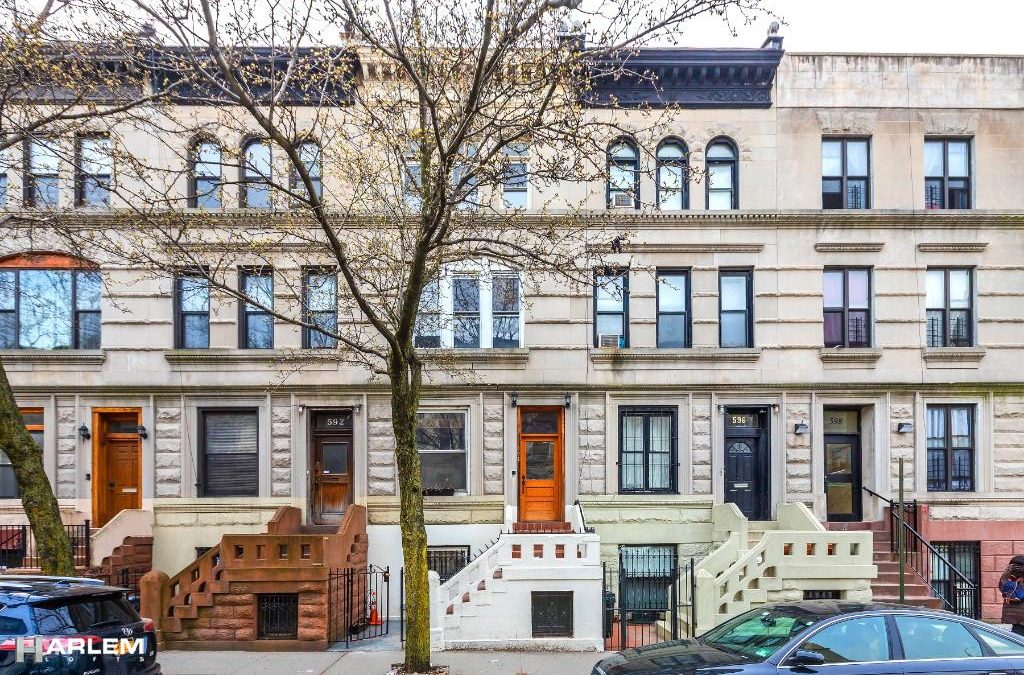
A premium price tag invites a fair question. What actually justifies it? When you look closely at the luxury townhouses in Harlem, NYC, the answer lives in the details that mass construction simply cannot reproduce. These homes are not expensive by accident. They earn their numbers through scale, craftsmanship, and a location that grows more desirable with each passing year.
Defining Luxury In A Harlem Townhouse
Luxury here starts with size. A wide house with full floor living gives you proportions that newer construction rarely attempts, with rooms that breathe and ceilings that soar. Width is the quiet luxury, because an extra few feet across changes how every room feels and functions.
The finest examples pair that scale with substance. Gut-renovated systems sit behind preserved historic detail, so the home runs on modern plumbing, wiring, and climate control while keeping the soul of its original era. High-end finishes, thoughtful kitchens, and spa-quality baths complete the picture, blending old and new without sacrificing either.
Light and flow round out the definition. A luxury townhouse handles sun and circulation with intention, drawing daylight deep into the parlor and letting rooms open into one another without feeling cramped. The best renovations respect the original plan rather than fighting it, so the house feels both grand and genuinely comfortable to live in, which is harder to achieve than it sounds.
Scale shows up in the practical moments, too. A wide staircase that two people pass on with ease, a kitchen that fits a crowd, and bedrooms that hold real furniture rather than just a bed all signal a home built to a different standard. These are the everyday luxuries that buyers feel long after the novelty of the address wears off.
The Original Details Modern Construction Cannot Replicate
Walk into a true Harlem townhouse, and the craftsmanship speaks immediately. Hand-carved mantels, intricate plaster moldings, and original parlor floors carry a level of detail that no builder reproduces affordably today. These elements took skilled artisans months to create, and that history is part of what you buy.
Original mahogany, pocket doors, and panels of stained glass turn a house into a work of art. Buyers searching the most coveted streets, including the most desirable blocks in Harlem, often fall for exactly these touches, because they cannot be ordered from a catalog or rushed onto a job site.
These details also tell a story, and buyers respond to that. A carved newel post or a wall of original shutters connects a home to the artisans and families who came before, giving the house a depth that a brand-new build cannot manufacture. For many luxury buyers, that sense of history is not a bonus feature. It is the entire point of choosing a Harlem townhouse over a glossy new tower.
Location Premiums Within Harlem Itself
Harlem is not one market but many, and the address inside the neighborhood matters enormously. Mount Morris Park, Strivers Row, and the historic streets of Hamilton Heights command premiums that reflect their architecture, their history, and their tightly held supply of grand homes.
A short walk can move the price in a meaningful way. The elevated blocks of Sugar Hill earned their name and their reputation, and buyers pay for the prestige, the views, and the concentration of beautifully preserved townhouses. Knowing which block you stand on is half of understanding the price.
Reputation compounds over time on these blocks. A street known for its architecture and its history attracts careful owners who restore rather than strip, and that shared stewardship keeps the whole row desirable. When you buy on a celebrated block, you buy into a neighborhood ethic as much as an address, and that ethic protects your investment as the years pass.
Block by block knowledge is where a good broker earns their keep. The difference between a celebrated row and a quieter street a few doors away can be significant, and it is not always obvious to a newcomer. Understanding which addresses carry a premium, and why, keeps a buyer from overpaying on one block or overlooking real value on another.
What Buyers Pay For Beyond Square Footage
Square footage tells only part of the story. Private outdoor space, a garden, or a roof terrace adds value that a number on a listing never fully captures. In a dense city, a patch of green that belongs only to you is a genuine luxury.
Then there is control. Owning the whole building means freedom from a co-op board and the shared rules of apartment living. You decide on the renovation, the schedule, and the style. For many buyers, full building ownership is the real luxury, the kind that money buys but a condo cannot quite deliver.
Privacy belongs on the list as well. With no shared hallways, no neighbors above or below, and no thin walls between you and a stranger, a townhouse offers a kind of quiet that apartment living rarely matches. For buyers who have spent years listening to footsteps overhead, that silence alone can feel like the height of luxury.
The Lifestyle A Harlem Townhouse Offers
Beyond the walls, these homes place you in one of the most storied neighborhoods in the city. Harlem carries a cultural legacy in its music, its food, and its architecture, and owning a townhouse here means living inside that history rather than visiting it. Morning coffee on a landmark block and evening walks past century-old facades become part of an ordinary day.
The social life of a townhouse is its own draw. Room to host, a garden for summer gatherings, and floors that flex for family and friends turn the home into a gathering place. Buyers often find that the house changes how they entertain and how they relax, simply because there is finally space to do both well.
Convenience underpins all of it. Strong transit, a deepening roster of restaurants and shops, and proximity to parks mean the neighborhood supports the home rather than competing with it. The result is a lifestyle that feels both rooted and easy, which is exactly what many luxury buyers are searching for.
How These Homes Hold Their Value
The supply of intact historic townhouses is fixed, and that scarcity supports value over time. Nobody is building new brownstones with hand-carved detail, so each preserved home grows a little rarer with every year. The Landmarks Preservation Commission protects the character of these districts, which keeps the streetscapes intact and the demand steady. Long-term appreciation in established districts rounds out the case. Beautiful, well-located, and limited in number, these homes have rewarded patient owners, and the broader upper Manhattan townhouse market continues to draw buyers who understand what they are holding. Scarcity plus craftsmanship plus location is a durable formula.
Buyers who think in decades rather than years tend to value these homes most. A well-kept historic townhouse on a protected block is a scarce asset in a city that keeps growing, and scarcity has a way of rewarding patience. The premium you pay today buys into a limited supply that no amount of new construction can expand.
Worth Every Bit of The Premium
Scarcity, craftsmanship, and location all stack up, and that combination is what makes the luxury townhouses in Harlem, NYC, hold their premium year after year. For the buyer who values space, history, and true ownership, the price is not a hurdle. It is the cost of something that cannot be built again.
About Harlem Lofts
Harlem Lofts specializes in brownstones, townhouses, and co-op and condo sales and knows where true value sits across the neighborhood. Contact the team to view the finest homes on the market and find the one that fits you.
Frequently Asked Questions
What price range counts as a luxury townhouse in Harlem?
Luxury is defined as much by quality as by number. A wide, well-preserved, fully renovated townhouse on a prime block sits at the top of the market, and the exact figure shifts with location and condition.
Which Harlem blocks are the most prestigious?
Mount Morris Park, Strivers Row, Hamilton Heights, and Sugar Hill consistently rank among the most sought-after. Their architecture, history, and limited supply keep them in high demand.
Do original details add resale value?
They often do. Hand-carved mantels, original woodwork, and intact plaster are rare and difficult to reproduce, which makes them a meaningful draw for buyers and a support for value over time.
Are renovated or unrenovated townhouses a better buy?
It depends on your goals. A renovated home offers move-in ease, while an unrenovated one offers a chance to build value through a thoughtful restoration. Both can be smart, depending on your budget and appetite for a project.
How does a townhouse compare to a luxury condo?
A townhouse gives you the whole building, private outdoor space, and freedom from a board, while a luxury condo offers shared amenities and less upkeep. The better choice comes down to how much space, privacy, and control you want.

Robert Pair brings over 30 years of deep experience in Harlem and Upper Manhattan real estate to his role as President and Principal Broker of Harlem Lofts Inc. Licensed in New York State (License #31PA1003506), Robb has been advising buyers and sellers in Harlem since the early 1990s, leveraging a lifetime of local market knowledge to help clients make confident, informed decisions. His expertise spans residential, commercial, and mixed‑use properties, and he is known for combining strategic insight with a personal, community‑first approach. Over the course of his career, Robb has completed hundreds of successful transactions, helping families, investors, and developers achieve their real estate goals. He also brings experience in real estate development and construction, enhancing his ability to serve clients at every stage of the property process. Outside of work, Robb is deeply connected to the Harlem community and active across social platforms, a reflection of his commitment to both professional excellence and neighborhood engagement.
In more than 30 years of working in Harlem real estate, the pattern I see most often is buyers underestimating the cost of building system replacements in older townhouses,” says Robert Pair, President of Harlem Lofts and Licensed NY Broker (#31PA1003506).
Recent Comments