
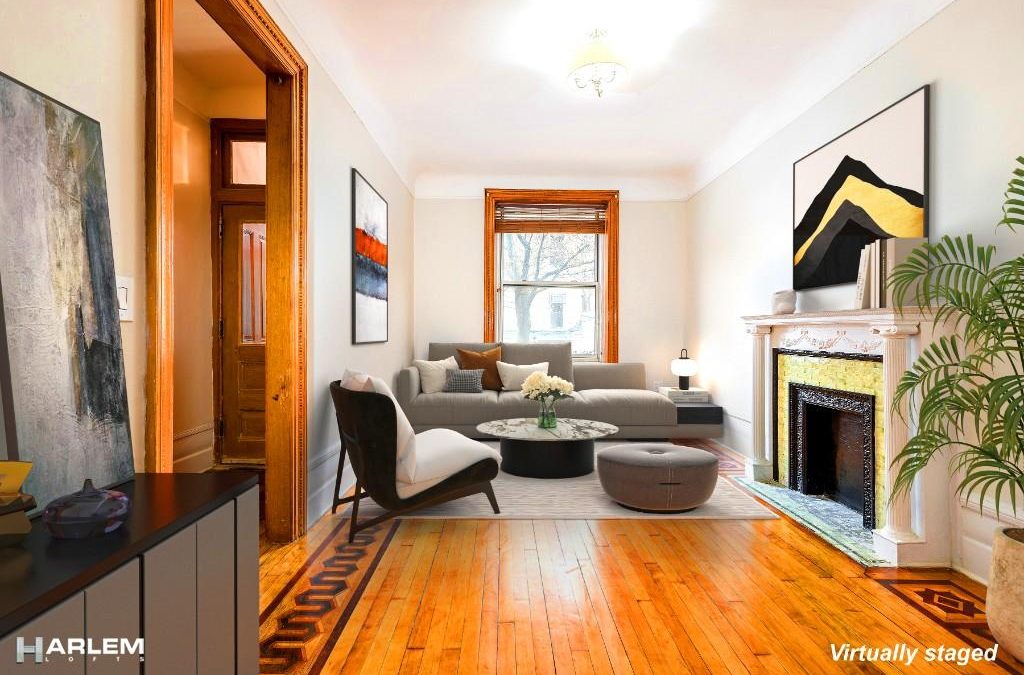
Tucked between Harlem and the Upper West Side, Morningside Heights townhouses sit in a pocket that confuses even longtime New Yorkers. The neighborhood borrows a little from everything around it, which makes it lovely to live in and tricky to pin down. So how do these homes really compare to the brownstones a few blocks in either direction? The honest answer rewards anyone willing to look past the label and study the blocks themselves.
Where The Neighborhood Actually Begins And Ends
Buyers get the boundaries wrong constantly, and the confusion is understandable. Morningside Heights generally runs from roughly 110th Street up toward 125th, bordered by Morningside Park on the east and Riverside on the west. Step a block too far in any direction, and you have wandered into Harlem or the Upper West Side, each with its own pricing and personality.
The Columbia University footprint shapes much of what you feel here. The campus anchors the area, fills the sidewalks with students and faculty, and lends the streets a steady, academic calm that sets the neighborhood apart from the livelier blocks nearby.
Day to day, the neighborhood feels calmer than its busy neighbors, and that calm is a feature for many buyers. Mornings move at the pace of a campus, the side streets stay quiet, and the parks on either side give the whole area room to breathe. Buyers who want upper Manhattan character without the constant hum of a commercial strip tend to feel at home here quickly.
The Architecture That Sets These Blocks Apart
Step onto Morningside Heights street, and the buildings tell you where you are. Grand limestone facades and prewar apartment houses share the blocks with rows of townhouses, and the overall effect leans more formal than the classic Harlem brownstone row just to the north and east.
The differences run deeper than the stone. Many Harlem brownstones were built wide, with generous parlor floors and the high ceilings that buyers prize. Morningside Heights mixes those proportions with a heavier dose of institutional and prewar scale, so the homes here can feel a touch more stately and a touch less uniform from one block to the next.
Lot widths and light matter more than buyers first realize. A wider house captures more sunlight on every floor and gives the staircase and rooms a more generous feel, while a narrower lot requires a renovation to work harder for the same sense of space. When you tour these blocks, notice how the morning light falls through the parlor windows, because that quality of light is part of what you pay for and impossible to add later.
Inside, expect the hallmarks of the era. Tall windows, deep window wells, decorative cornices, and the occasional bay give these homes their presence. Even where a renovation has modernized the systems, these original gestures usually survive, and they are a big part of why buyers choose an older townhouse over something newer and plainer.
Living Beside A Major University
A great university next door brings real advantages. Demand stays steady, the streets feel cared for, and the cultural calendar runs full with lectures, concerts, and events open to the public. For a buyer who values stability, that institutional anchor is a quiet form of insurance.
There are trade-offs worth weighing, too. Term time brings more foot traffic, parking grows competitive, and the rhythm of the neighborhood follows the academic year. None of this is a drawback for everyone, and for many buyers, the energy is exactly the draw, yet it pays to understand the trade before you fall for a block.
There is a resale benefit hiding in all that stability. A neighborhood anchored by a major institution holds its appeal through changing markets, since demand rarely vanishes when a university sits at the center of it. For a buyer thinking several years ahead, that steadiness is worth real money, even if it never shows up directly on a listing sheet.
Price Per Square Foot And How It Stacks Up
Pricing is where the comparison gets interesting. Morningside Heights often lands between the higher numbers of the Upper West Side and the relative value found further into Harlem. Buyers who study the wider Upper Manhattan townhouse market quickly see how a few blocks can move the price per square foot in a meaningful way.
If your budget feels stretched in Morningside Heights, the blocks just north can offer more space for the money. Comparing it against South Harlem is a useful exercise, and a look at the latest Harlem Lofts market report gives you real numbers rather than guesswork as you weigh one neighborhood against the next.
Several forces drive the spread between one block and the next. Proximity to the campus, the width and condition of the home, the depth of any recent renovation, and the simple prestige of an address all push the number around. Two houses that look similar from the sidewalk can sit far apart in price once you weigh these factors, which is why a careful comparison beats a glance every time.
Getting Around And Settling In
Transit shapes daily life in Morningside Heights, and the news is good. The 1 train runs along Broadway, the B and C lines sit a short walk east, and buses fill the gaps, so reaching Midtown or downtown rarely feels like a chore. Add the walkable grid of shops, cafes, and markets, and most errands happen on foot within a few blocks of home.
Green space is another daily luxury. Riverside Park to the west and Morningside Park to the east bookend the neighborhood, giving residents room to run, walk a dog, or simply sit with a coffee. For families and remote workers, especially, that easy access to the outdoors turns a good location into a genuinely livable one.
First impressions of a block can mislead, so visit at different times before you decide. A street that feels sleepy on a weekday morning may come alive in the late afternoon, and the reverse holds near campus. Walking the neighborhood at a few different hours gives you the real texture of daily life, which a single tour can never fully capture.
Co-op, Condo, Or Townhouse, Which Suits The Block
Ownership type matters as much as location here. Some streets favor co-op and condo apartments inside larger prewar buildings, while others hold their character as townhouse rows. Each path carries its own rules, its own costs, and its own lifestyle, and it helps to understand what full townhouse ownership offers that an apartment simply cannot match.
A co-op brings a board, shared maintenance, and a built-in community, which suits plenty of buyers beautifully. A townhouse hands you the whole building, the freedom to renovate on your own terms, and an outdoor space of your own. Neither choice is better in the abstract. The right one depends on how you actually want to live.
Carrying costs deserve a close look as well. A co-op or condo comes with monthly charges that cover building upkeep, while a townhouse shifts that responsibility onto the owner, who pays directly for the roof, the heat, and everything in between. Neither model is cheaper in every case. The right comparison weighs the monthly charge against the freedom and the space, then lets your own priorities settle the question.
Choosing Between Two Beautiful Options
Each neighborhood carries its own rhythm, and Morningside Heights townhouses reward buyers who understand exactly what separates them from the brownstones nearby. Study the blocks, compare the numbers honestly, and decide which version of upper Manhattan living feels like home, because the right answer is the one that fits your daily life, not the one with the most familiar name.
About Harlem Lofts
Harlem Lofts knows these blocks street by street and specializes in brownstones, townhouses, and co-op and condo sales across upper Manhattan. Get in touch with the team to compare your options side by side and see where your search fits best.
Frequently Asked Questions
Is Morningside Heights considered part of Harlem?
Not quite. Morningside Heights sits just south and west of Harlem, with Morningside Park forming much of the dividing line. The two neighborhoods share history and character, yet they carry distinct identities and pricing.
Are townhouses here more expensive than in central Harlem?
Often yes. Proximity to Columbia and the Upper West Side tends to push Morningside Heights prices above comparable homes deeper into Harlem, though the gap shifts block by block.
What architectural styles are most common?
You will find a mix of limestone facades, prewar apartment houses, and townhouse rows. The look leans a little more formal than the classic brownstone streets just north.
Is the area good for families?
Many families love it. Parks on both sides, a calm academic atmosphere, and strong cultural offerings make it an appealing place to settle, especially for those who value stability.
How walkable is the neighborhood?
Very walkable. Daily errands, parks, dining, and transit all sit within an easy stroll, and the campus setting keeps the streets active and well-maintained.

Robert Pair brings over 30 years of deep experience in Harlem and Upper Manhattan real estate to his role as President and Principal Broker of Harlem Lofts Inc. Licensed in New York State (License #31PA1003506), Robb has been advising buyers and sellers in Harlem since the early 1990s, leveraging a lifetime of local market knowledge to help clients make confident, informed decisions. His expertise spans residential, commercial, and mixed‑use properties, and he is known for combining strategic insight with a personal, community‑first approach. Over the course of his career, Robb has completed hundreds of successful transactions, helping families, investors, and developers achieve their real estate goals. He also brings experience in real estate development and construction, enhancing his ability to serve clients at every stage of the property process. Outside of work, Robb is deeply connected to the Harlem community and active across social platforms, a reflection of his commitment to both professional excellence and neighborhood engagement.
In more than 30 years of working in Harlem real estate, the pattern I see most often is buyers underestimating the cost of building system replacements in older townhouses,” says Robert Pair, President of Harlem Lofts and Licensed NY Broker (#31PA1003506).
Recent Comments