
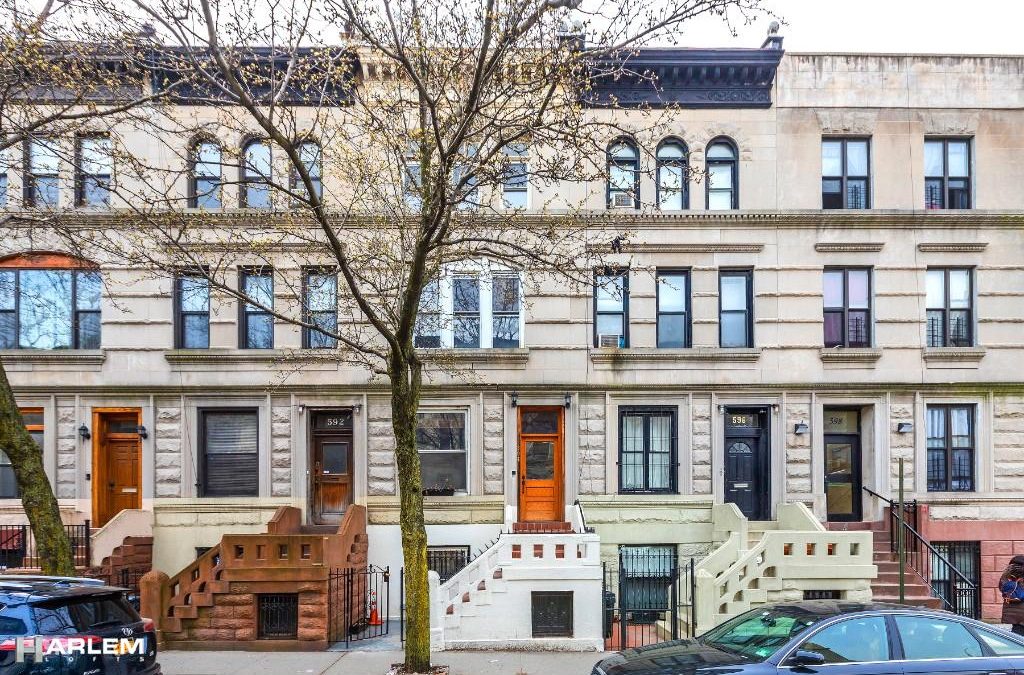
If you’ve been sitting on the fence about timing your sale, the market isn’t waiting. Central Harlem has become one of the most watched neighborhoods in New York City, drawing buyers who want architectural character, community depth, and real estate value that other Manhattan neighborhoods simply can’t offer at this price point. Before you sell your Central Harlem townhouse, you need to understand what’s actually driving buyer decisions right now, how pricing works in this specific market, and what steps separate a smooth, high-value transaction from one that drags on and disappoints.
Here’s everything you need to walk into the process with your eyes open.
What’s Actually Happening In The Central Harlem Market Right Now
Buyer demand in Upper Manhattan has shifted considerably over the past few years. Purchasers who previously focused on Brooklyn and downtown Manhattan are now actively targeting Central Harlem, drawn by the combination of historic architecture, block-level walkability, and price points that still represent genuine value compared to comparable properties further south.
Interest rate sensitivity is real, and it affects your listing strategy directly. When rates move, buyer psychology shifts fast, and properties that sit on the market for more than 30 to 45 days begin attracting lowball offers and skepticism regardless of their quality. Overpriced listings don’t just sell for less; they often trigger a price reduction cycle that positions you worse than an accurately priced listing would have from day one.
Central Harlem’s landmarked districts and pre-war rowhouses hold a specific appeal that newer construction can’t replicate. Buyers in this market aren’t just purchasing square footage; they’re purchasing a place in New York City’s architectural and cultural history. That matters when you position your property.
For a current look at what the market is doing in real numbers, our Upper Manhattan market reports track sales activity, pricing trends, and buyer behavior across the neighborhood throughout the year.
How To Price Your Townhouse Strategically, Not Emotionally
Pricing is where most sellers go wrong, and it almost always comes from emotional attachment rather than market data. You know what you paid, what you’ve invested over the years, and what the property means to you. Buyers don’t share that context, and they don’t price from it.
Comparable sales, meaning recently closed transactions on similar properties within a close radius, form the foundation of any accurate pricing strategy. The keyword is recently. A sale from 18 months ago carries far less weight than one from the last 90 days, and a sale on a different block type or with a different unit configuration may not translate to your property at all.
One of the most common missteps we see sellers make is adding renovation costs to their expected sale price without accounting for what today’s buyers will actually pay for those improvements. A kitchen renovation completed three years ago adds value, but not dollar-for-dollar, and certainly not above the ceiling the market sets for your specific block and building type.
Pricing within 3 to 5 percent of true market value consistently produces better outcomes than testing a high ceiling. A well-priced listing generates early showing activity, creates a sense of competition among buyers, and often closes above asking price when multiple parties engage at once.
Request a detailed valuation from our team to get a data-driven read on where your property stands in today’s market before you commit to a number.
Pre-Listing Prep That Moves The Needle
How your townhouse presents when buyers walk through the door, or scroll through photos online, determines whether they write an offer or move on. Preparation at the pre-listing stage is one of the highest-return investments a seller can make.
Start with deferred maintenance. Peeling paint, slow drains, a sticking door, or a cracked tile may seem minor after years of living with them, but they signal neglect to a buyer evaluating a multi-million-dollar purchase. Addressing these items before listing, rather than waiting for a buyer’s inspection to surface them, keeps you in control of the narrative and the negotiation.
Buyers in Central Harlem’s townhouse market carry specific expectations around outdoor space, floor count, and unit configuration. A property with a usable garden, a finished parlor floor, and a clear income-generating unit consistently outperforms a comparable property that doesn’t lead with those features. Think carefully about how your property is configured and how to present each element to its best advantage.
Professional photography and staging are no longer optional at this price point. Buyers often form their first impression from listing photos before they ever request a showing, and the difference between a well-lit, thoughtfully staged image and a quick phone photo is measurable in both showing volume and offer quality.
Visit our Central Harlem selling page for more details on how we prepare and position properties in this neighborhood.
Legal And Financial Details Sellers Often Overlook
The legal and financial side of selling a townhouse in New York City carries real complexity, and entering a transaction without a clear picture of your obligations and exposure can cost you significantly.
NYC imposes a Real Property Transfer Tax on all property sales, with rates that vary based on sale price. The NYC Department of Finance outlines what sellers are responsible for at closing, and this is a conversation worth having with your attorney before you list, rather than after you accept an offer. On top of transfer taxes, capital gains exposure at both the state and federal levels can affect your net proceeds substantially, depending on how long you’ve owned the property and how you’ve structured ownership.
Before you engage a buyer, have the following ready: a current title search, a certificate of occupancy, and a violations check through the NYC Department of Buildings. Outstanding violations don’t always block a sale, but they can delay closing, reduce your leverage, and in some cases require remediation before a lender will approve the buyer’s financing.
Seller disclosures in New York protect both parties. Understanding what you’re required to disclose, and what protections you have in an as-is sale, is something every seller should review before listing. Our seller’s guide walks through the full closing process and what to expect at each stage.
Working With An Agent Who Actually Knows Central Harlem
A licensed real estate agent and a specialist in Central Harlem townhouses are not the same thing. This neighborhood has its own pricing logic, its own buyer pool, and its own set of deal dynamics that a generalist broker working across multiple markets simply doesn’t carry in their daily practice.
Hyperlocal expertise means knowing which blocks command a premium and why, which buyer profiles are most active right now, and how to structure a deal that protects your interests from offer through close. It also means knowing how to qualify buyers before you open your home to them, filtering out window-shoppers and focusing your showing time on purchasers who are genuinely ready to transact.
Your seller representation agreement matters as much as your listing price. It defines how your property gets marketed, what your agent is obligated to do on your behalf, and what your options are if things aren’t working. Review it carefully before you sign.
We’ve documented how our approach has worked for sellers across a range of situations, from estate sales to complex multi-family transactions, in our case studies. Browse them to get a sense of how we handle the deals that require more than a standard playbook.
Conclusion
Selling a Central Harlem townhouse in today’s market rewards preparation and penalizes guesswork. From pricing and presentation to legal readiness and buyer qualification, every element of the process connects to your outcome. When you decide to sell your Central Harlem townhouse, working with a team that knows this neighborhood at a granular level is the most direct path to the result you’re looking for.
About Harlem Lofts
We are Upper Manhattan’s most experienced townhouse brokerage, with decades of hyperlocal expertise, a verified buyer database, and a track record across Central Harlem’s most sought-after blocks. We don’t take a one-size-fits-all approach to selling, because no two townhouses and no two sellers are exactly alike. Our process starts with an honest conversation about your property, your goals, and your timeline.
If you’re thinking about selling, start here, and let’s talk about what your townhouse is worth and what it takes to get there.
Frequently Asked Questions
What is the best time of year to sell a Central Harlem townhouse?
Spring, from March through June, consistently produces the most active buyer pools and the strongest sale prices in Central Harlem. Early fall, from September through October, runs a close second. That said, well-prepared and accurately priced properties attract serious buyers in any season, and listing outside peak windows often means less competition from other sellers.
How long does it typically take to sell a townhouse in Central Harlem?
A well-priced, properly prepared Central Harlem townhouse typically goes to contract within 30 to 60 days of listing. Properties that need price reductions or significant preparation work can sit for several months. Accurate pricing from day one is the single biggest factor in time-to-contract.
Do I need to renovate before selling my Central Harlem townhouse?
Full renovation is rarely necessary and often doesn’t produce a full return on investment. Addressing deferred maintenance, improving presentation, and ensuring the property is clean and functional typically produces stronger results than major pre-sale construction. Your broker should help you identify where targeted investment makes sense and where it doesn’t.
How do I find out what my Central Harlem townhouse is worth?
The most accurate way is a comparative market analysis from a broker with active experience in Central Harlem townhouse sales. Online estimates from automated tools are a starting point, but they rarely capture the block-level nuances, unit configuration, and condition factors that determine actual sale price in this market.
What taxes do I owe when I sell my townhouse in NYC?
Sellers typically owe NYC and New York State transfer taxes, calculated as a percentage of the sale price. You may also owe capital gains tax at the federal and state level, depending on how long you’ve owned the property and how much it has appreciated. An attorney and a tax advisor should both review your situation before you close.

Recent Comments