
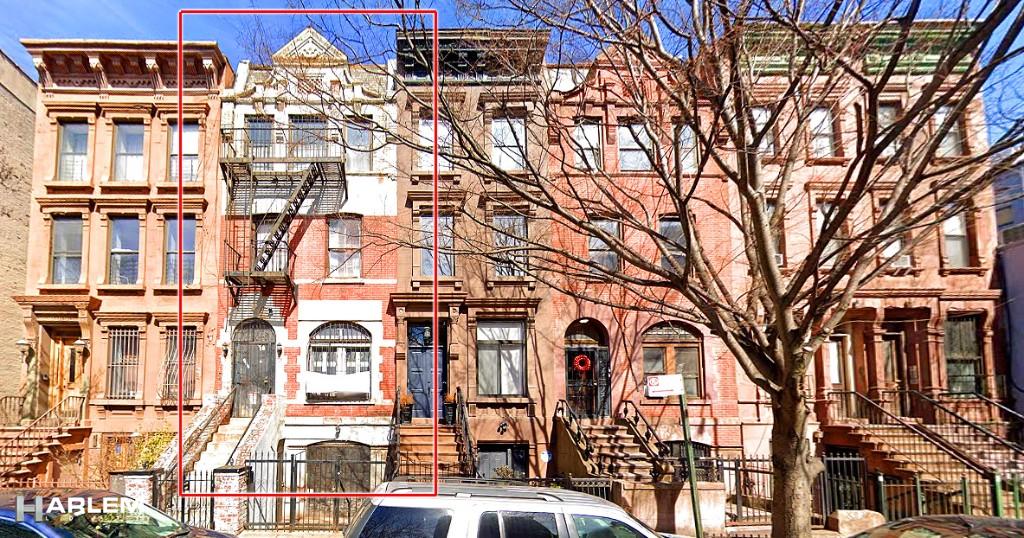
Owning a townhouse in West Harlem puts you in one of Upper Manhattan’s most architecturally compelling and buyer-active markets. The neighborhood has strong fundamentals, a growing buyer pool, and an appreciation track record that makes it an attractive position for any seller. But strong market conditions don’t guarantee a strong sale. Sellers who approach the process with a clear strategy consistently outperform those who rely on the market to do the work for them.
This guide covers everything you need to know about West Harlem townhouses from a seller’s perspective: how to read the current market, how to price with precision, when to list, and what today’s buyers genuinely look for when they walk through the door.
West Harlem’s Position In The Current Market
West Harlem has benefited significantly from sustained investment over the past decade. Columbia University’s ongoing campus expansion along Broadway has brought institutional anchor energy to the neighborhood, while riverside development along the Hudson has added residential density, dining options, and public access that enhance the quality of life for anyone living nearby.
The buyer profile in West Harlem has diversified as a result. Families seeking space and character, investors drawn to multi-family income potential, and owner-occupants who want a fully functional urban lifestyle within a genuinely residential neighborhood are all actively looking here. That diversity in the buyer pool is a meaningful advantage for sellers, because it broadens your audience and reduces your dependence on any single buyer type.
West Harlem pricing sits at an interesting point relative to its neighbors. Morningside Heights commands a premium tied to Columbia’s proximity and tighter inventory, while Hamilton Heights offers a slightly lower entry point. West Harlem occupies a middle position with strong fundamentals and consistent demand, which is a solid place to be as a seller.
For a current, data-driven read on where West Harlem sits in the Upper Manhattan market, visit our market intelligence page or review the latest numbers in our Upper Manhattan market report.
Pricing Your West Harlem Townhouse: What The Numbers Actually Say
Pricing is the single most consequential decision a seller makes. Set it right, and you generate competition, speed, and leverage. Set it wrong,g and you generate days on market, price reductions, and a final number that ends up below where an accurate initial price would have landed.
Comparable sales are your foundation. Look at properties that closed within the last 60 to 90 days, within a reasonable geographic radius, with similar lot widths, floor counts, and unit configurations. These are the data points buyers and their lenders actually use to evaluate your price, and they should form the core of your pricing logic.
Sellers who price within 3 to 5 percent of market value consistently see faster movement and often close higher than those who test an aggressive ceiling. The reason is straightforward: a property that hits the market at the right price generates early showing volume, creates a sense of urgency among buyers, and positions you to evaluate multiple offers rather than waiting on one. Properties that launch high and drop later carry the stigma of a stale listing, and that stigma costs money.
Lot width, floor count, and unit configuration affect value more than raw square footage in most West Harlem townhouse transactions. A 20-foot-wide, four-story brownstone with a functional garden apartment carries a different value calculation than a narrower property with the same listed square footage but less configuration flexibility.
Request a detailed valuation from our team to get accurate, current pricing guidance for your specific property before you commit to a number.
Timing The Market Without Waiting Forever
Sellers frequently ask about timing, and the honest answer is that waiting for a perfect moment often costs more than it gains. The market moves in cycles, and anyone who claims they can identify the precise peak in advance is overstating their ability to predict what interest rates, inventory levels, and buyer sentiment will do in any given quarter.
What we do know is that spring, from March through June, and early fall, from September through November, represent the periods of highest buyer activity in West Harlem and across Upper Manhattan. Listing during these windows puts your property in front of the largest pool of active buyers, which is the condition most likely to produce competitive offers.
Outside of seasonal patterns, your personal timeline matters. If your financial situation, life plans, or property circumstances point toward selling sooner rather than later, a strong current market is a better context than a theoretically perfect future market that may or may not arrive on schedule.
The most important thing you can do, regardless of timing, is arrive at listing day fully prepared. A well-prepared property in a good market always outperforms a poorly prepared one in a great market.
What West Harlem Buyers Are Actually Looking For
Buyers in this market want architectural authenticity and modern functionality in the same package. Pre-war charm, original details, and the character of a genuine Upper Manhattan rowhouse matter enormously to this buyer pool, but so does the ability to live comfortably without a complete renovation on day one.
Outdoor space consistently ranks among the top-priority features for West Harlem buyers. A private garden, a usable rooftop, or a rear terrace creates meaningful differentiation from properties that don’t offer it, and buyers regularly express willingness to stretch their budget for a property with quality outdoor access. If your townhouse has outdoor space in any form, present it as a primary feature rather than an afterthought.
Income potential changes the buyer pool in a tangible way. A property with a legal basement apartment, a garden unit, or a separately configured upper floor attracts buyers who factor income into their purchase calculations. That expanded buyer pool creates more competition for your property and tends to produce stronger offers. If your townhouse includes an income-generating unit, make sure your listing positions that clearly. Our real estate investment page covers multi-family and investment property dynamics in more detail.
Common Seller Mistakes And How To Avoid Them
Sellers who skip the pre-listing inspection hand over negotiating power to the other side. When a buyer’s inspector surfaces issues mid-contract, it opens the door to price renegotiation, repair credits, or, in some cases, deal termination. Addressing known issues before listing gives you control over how they’re disclosed, how they’re resolved, and what they cost you.
Over-improving rooms that buyers don’t prioritize is a common way to spend money that doesn’t come back at sale. A high-end kitchen renovation in a property with deferred roofing or outdated electrical rarely produces a full return, because buyers will credit the renovation but deduct for the mechanical shortcomings. Focus pre-sale investment on items that affect structural integrity, safety, and lender-required conditions first.
Choosing a broker based on the highest suggested listing price is one of the costliest mistakes a seller can make. A high suggested price is easy to give and hard to deliver, and a broker who wins your listing with an inflated number often follows with price reduction conversations once the property sits. Look at documented sales results in West Harlem specifically, not general NYC credentials.
Our seller’s guide walks through the full closing process and helps you understand what to expect at each stage.
Conclusion
Selling West Harlem townhouses well requires accurate pricing, honest preparation, and representation from people who understand this market at a granular level. The neighborhood has genuine strength and a motivated buyer pool working in your favor, and sellers who bring clarity and strategy to the process consistently walk away with results that reflect the full value of what they own.
About Harlem Lofts
We have been the go-to brokerage for West Harlem townhouse sellers for years, combining deep neighborhood knowledge with a verified buyer network and a selling process built specifically for this market. We start every client relationship with an honest conversation about your property, your timeline, and your goals, and we build a strategy around those specifics rather than a generic playbook.
Explore our West Harlem selling services or connect with our seller representation team to take the first step.
Frequently Asked Questions
What is the average price per square foot for West Harlem townhouses?
Pricing per square foot in West Harlem varies significantly based on lot width, floor count, unit configuration, and condition. The most reliable way to assess your property’s price per square foot is through a comparative market analysis using recent comparable sales in your immediate area. Our team can provide that analysis with current transaction data specific to West Harlem.
How long does it take to sell a townhouse in West Harlem?
A well-priced, prepared West Harlem townhouse typically goes to contract within 30 to 60 days of listing. Properties with significant condition issues or pricing that requires correction can extend that timeline to several months. Accurate pricing at launch is the most reliable way to shorten your time to contract and protect your negotiating position throughout the process.
What do buyers look for most in a West Harlem townhouse?
Buyers in this market consistently prioritize original architectural detail, outdoor space, income unit potential, and updated mechanicals. Properties that combine pre-war character with functional, move-in-ready condition consistently attract the strongest buyer interest and the most competitive offer dynamics.
Should I hold or sell my West Harlem townhouse right now?
That depends entirely on your financial situation, personal timeline, and long-term plans. If you’re in a position to sell and the property is in good condition, the current market offers a favorable environment. If your property needs preparation work, taking the time to address those items before listing typically produces a better outcome than rushing to market.
Does having an income unit in my West Harlem townhouse help or complicate the sale?
It helps considerably. A legal income unit expands your buyer pool to include purchasers who factor income potential into their offer calculations, and it often justifies a higher asking price. The key is making sure the unit’s legal status is clear and that it presents well for showings. A properly documented income unit is a strong selling point in this market.

Robert Pair brings over 30 years of deep experience in Harlem and Upper Manhattan real estate to his role as President and Principal Broker of Harlem Lofts Inc. Licensed in New York State (License #31PA1003506), Robb has been advising buyers and sellers in Harlem since the early 1990s, leveraging a lifetime of local market knowledge to help clients make confident, informed decisions. His expertise spans residential, commercial, and mixed‑use properties, and he is known for combining strategic insight with a personal, community‑first approach. Over the course of his career, Robb has completed hundreds of successful transactions, helping families, investors, and developers achieve their real estate goals. He also brings experience in real estate development and construction, enhancing his ability to serve clients at every stage of the property process. Outside of work, Robb is deeply connected to the Harlem community and active across social platforms, a reflection of his commitment to both professional excellence and neighborhood engagement.
In more than 30 years of working in Harlem real estate, the pattern I see most often is buyers underestimating the cost of building system replacements in older townhouses,” says Robert Pair, President of Harlem Lofts and Licensed NY Broker (#31PA1003506).
Recent Comments